Best Merchant Navy Institute In Jaipur– A Pathway to a Global Maritime Career
The Merchant Navy represents one of the most exciting and rewarding career paths in the world, offering opportunities to travel internationally, earn attractive salaries, and build a professional life at sea. However, to enter this prestigious field, proper training and certification from a reputable Merchant Navy Institute and Training Center in India is essential.
What is a Merchant Navy Institute & Training Center?
A Merchant Navy Institute and Training Center is an educational institution dedicated to preparing students for careers in the maritime industry. These facilities offer a range of courses designed to equip aspiring sailors with the knowledge and skills needed to work on commercial vessels, such as tankers, cargo ships, and cruise ships.
Why Join a Merchant Navy Training Center in Jaipur?
India has a strong maritime history and a growing demand for trained seafarers. Merchant Navy training centers in India help students:
1.Gain industry-aligned training that meets global standards.
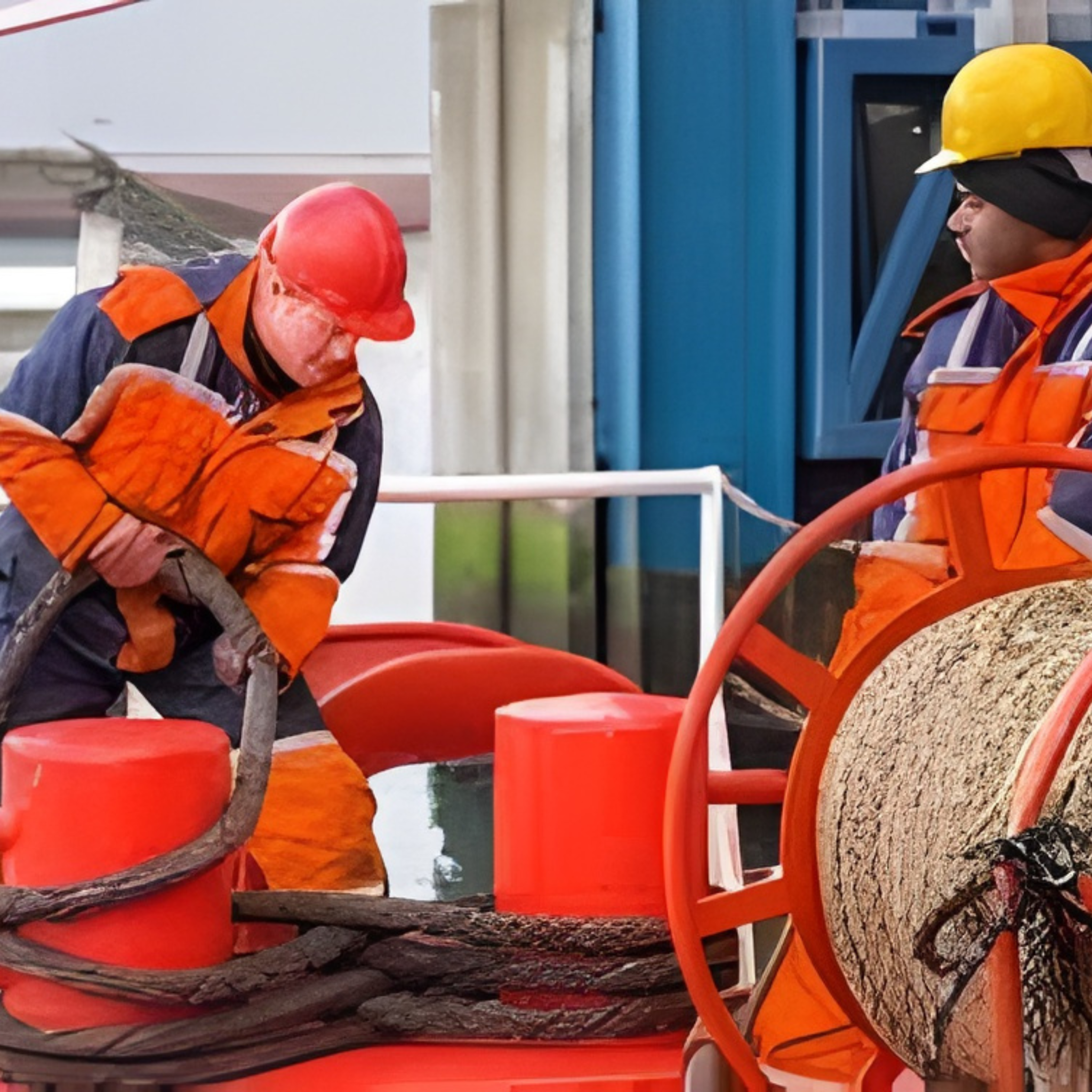
2.Learn both theoretical knowledge and practical skills required at sea.
3.Prepare for recognized certifications and entrance tests.
4.Get guidance on placements, sponsorships, and career progression in the shipping industry.
Types of Courses Offered
1.Pre-Sea Training Courses – Fundamental programs preparing students for life and work at sea.
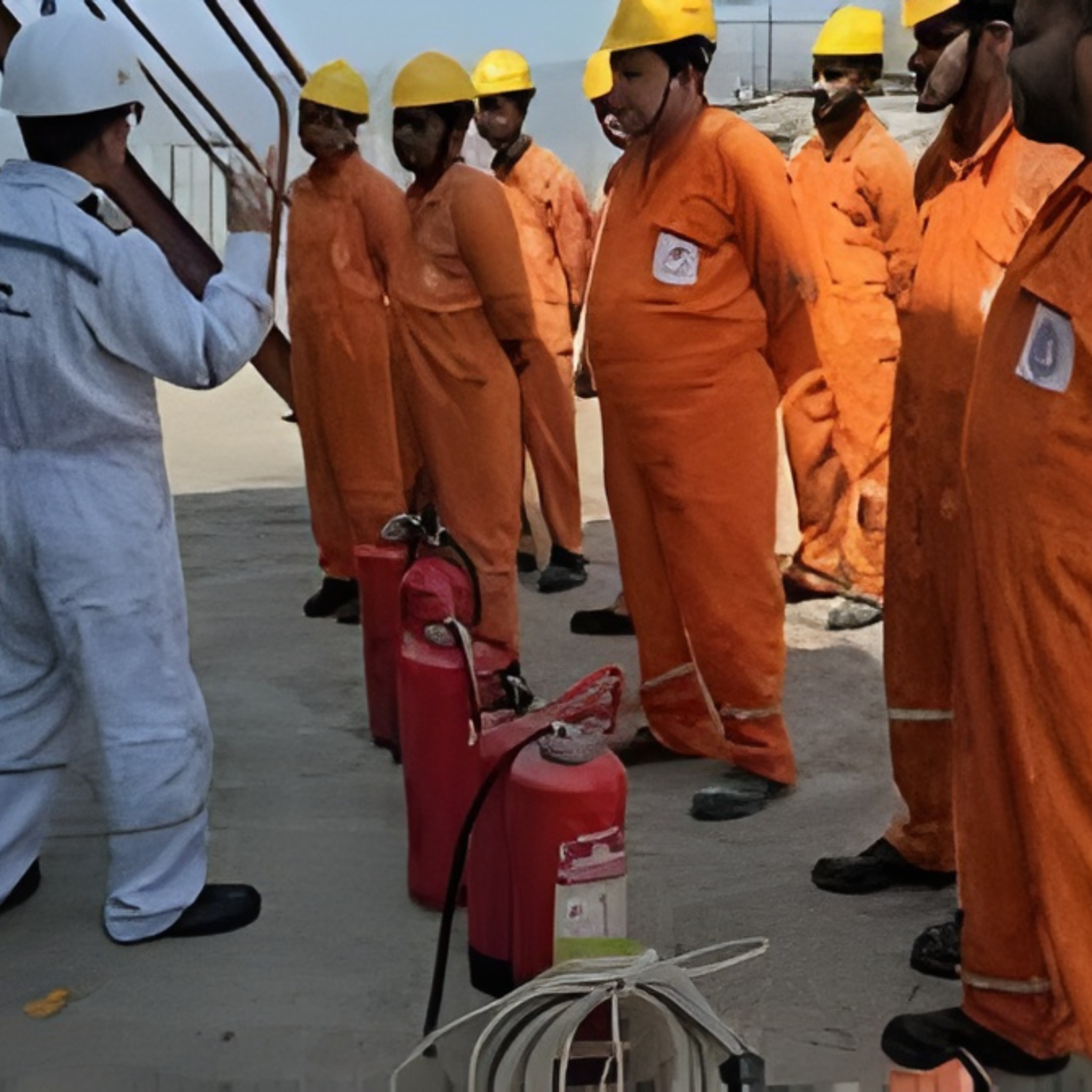
2.Advanced Safety & STCW Courses – Training in safety, firefighting, medical care, and survival at sea.
3.GP Rating (General Purpose Rating) – A course designed for deck and engine roles.
4.ETO (Electro-Technical Officer) – Focused on electrical and electronic systems onboard.
5.OCCP/CCMC (Catering & Hospitality) – Training for catering personnel in the Merchant Navy.
Eligibility & Admission
Eligibility criteria may vary by course and institute, but typically include:
1.A minimum educational qualification such as 10th or 12th pass from a recognized board. Merchant Navy
2.Meeting specific age and medical fitness requirements.
3.English language proficiency is often required since communication onboard must meet international standards.
Choosing the Right Training Center
When selecting a Merchant Navy institute and training center in India, consider the following: 1.Accreditation and Approval – Ensure the institute follows the Directorate General of Shipping (DGS) standards or is recognized by relevant maritime authorities.
2.Placement Assistance – Good centers provide help with job placements and industry connections.
3.Experienced Faculty – Trainers with sea experience and maritime expertise add great value to your learning.
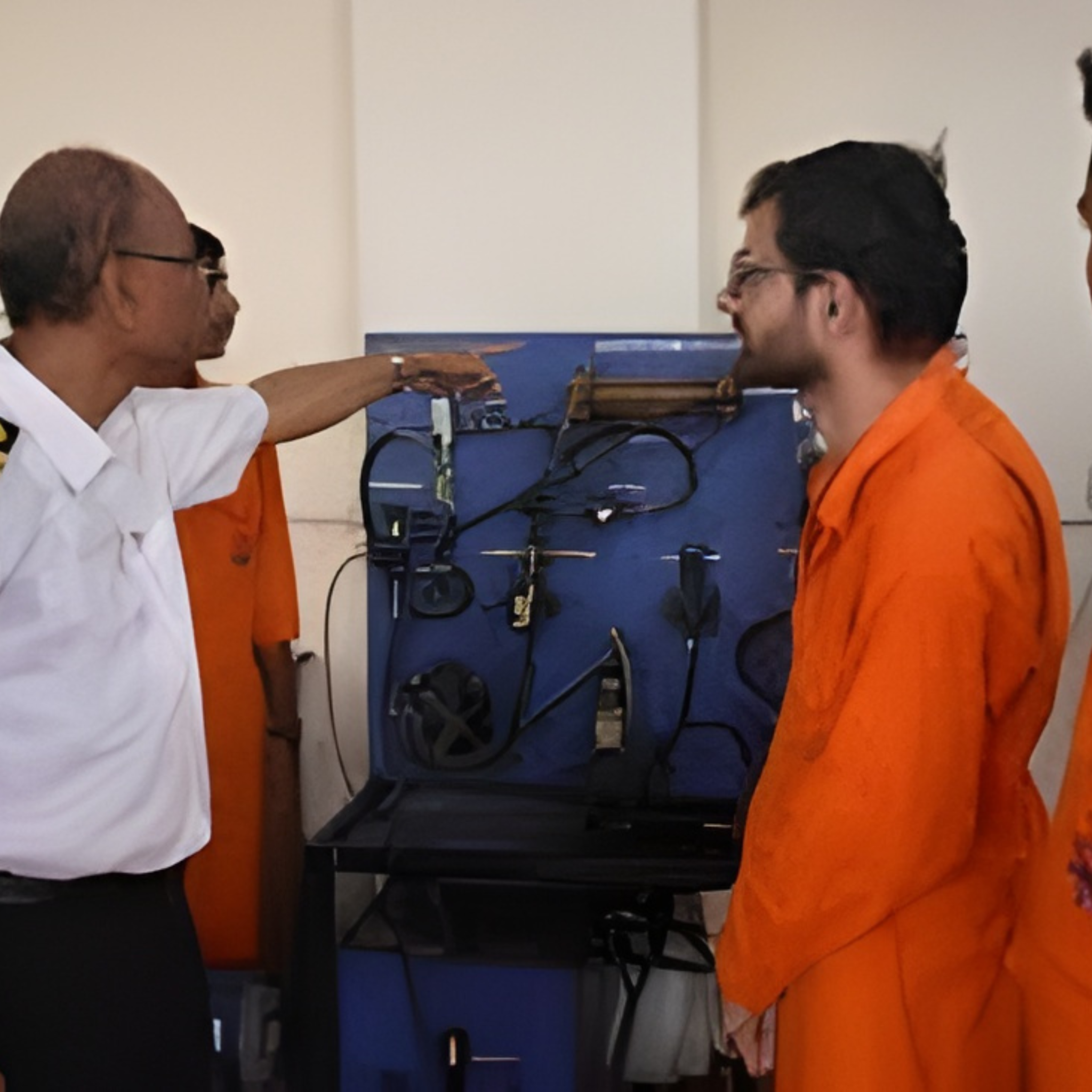
4.Infrastructure and Facilities – Practical training requires proper simulators, workshops, and safety equipment.